-

Zoonotic Viruses and Climate Change: Expanding Boundaries of Risk
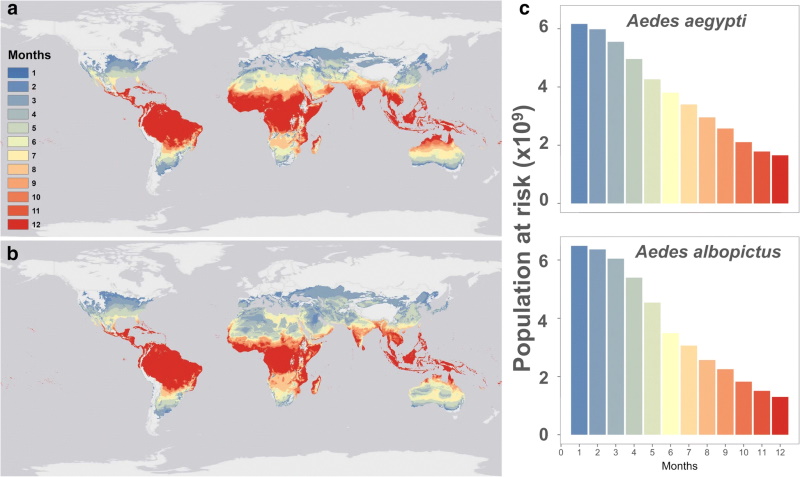
NAVIPP Scientific Watch Serie Climate change and disease The climate crisis is not only about rising seas or melting glaciers — it is reshaping the landscape of infectious diseases. As temperatures rise, vectors such as mosquitoes and ticks expand into new regions, carrying pathogens with them. Viruses, bacteria, and even fungi are adapting to warmer…
-

Nipah Virus: Understanding the Threat, Exploring New Solutions
NAVIPP Scientific Watch Serie A deadly virus Nipah virus is one of the deadliest pathogens known, with mortality rates up to 75%. It has caused repeated outbreaks in South Asia, raising global concern due to its potential for person-to-person transmission. What recent research shows New studies suggest that aerosol transmission, while rare, may play a…
-

Urban Wildlife, Hidden Pathogens: A Wake-Up Call from Mali
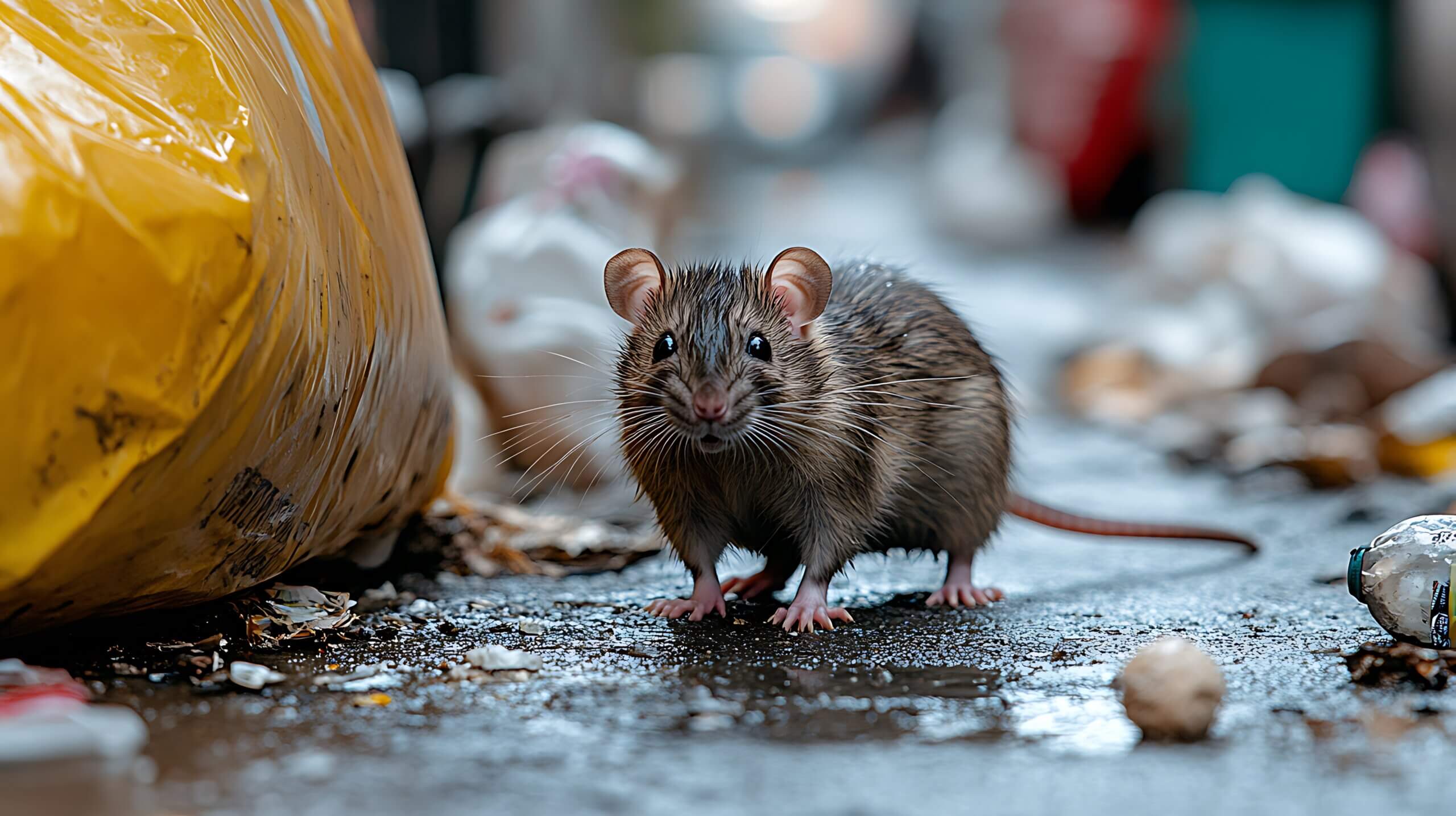
NAVIPP Scientific Watch Serie Pathogens in the city A recent study in Bamako, Mali, investigated rodents and shrews living in the city. Researchers discovered pathogens of public health concern, including Bartonella species, Coxiella burnetii (the agent of Q fever), and Trypanosoma. Although prevalence was low, these findings underscore the importance of monitoring urban wildlife. Why…
-

Ebola’s Hidden History: What Viral Evolution Teaches Us
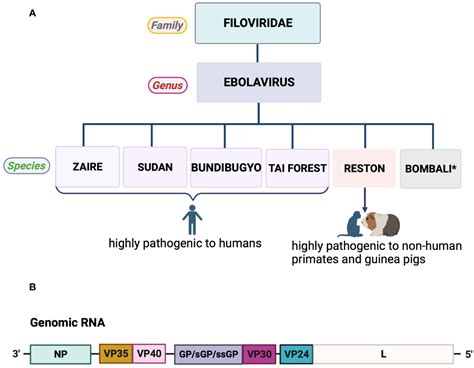
NAVIPP Scientific Watch Serie A virus with a complex past Ebola virus (EBOV) has caused multiple deadly outbreaks since the 1970s. For a long time, scientists believed these events traced back to a narrow genetic bottleneck. But new research is rewriting this story. New insights from phylogeny Recent analyses suggest that Ebola’s origins may stretch…
-

Marburg virus and the ferret model: a step toward better countermeasures
NAVIPP Scientific Watch Serie Why Marburg matters Marburg virus (MARV) belongs to the filovirus family, the same group as Ebola, and is one of the deadliest pathogens known to humans. With mortality rates reaching up to 90% in some outbreaks, it is considered a major pandemic threat. Yet, progress in developing treatments and vaccines has…
-

New: NAVIPP Brochure Available
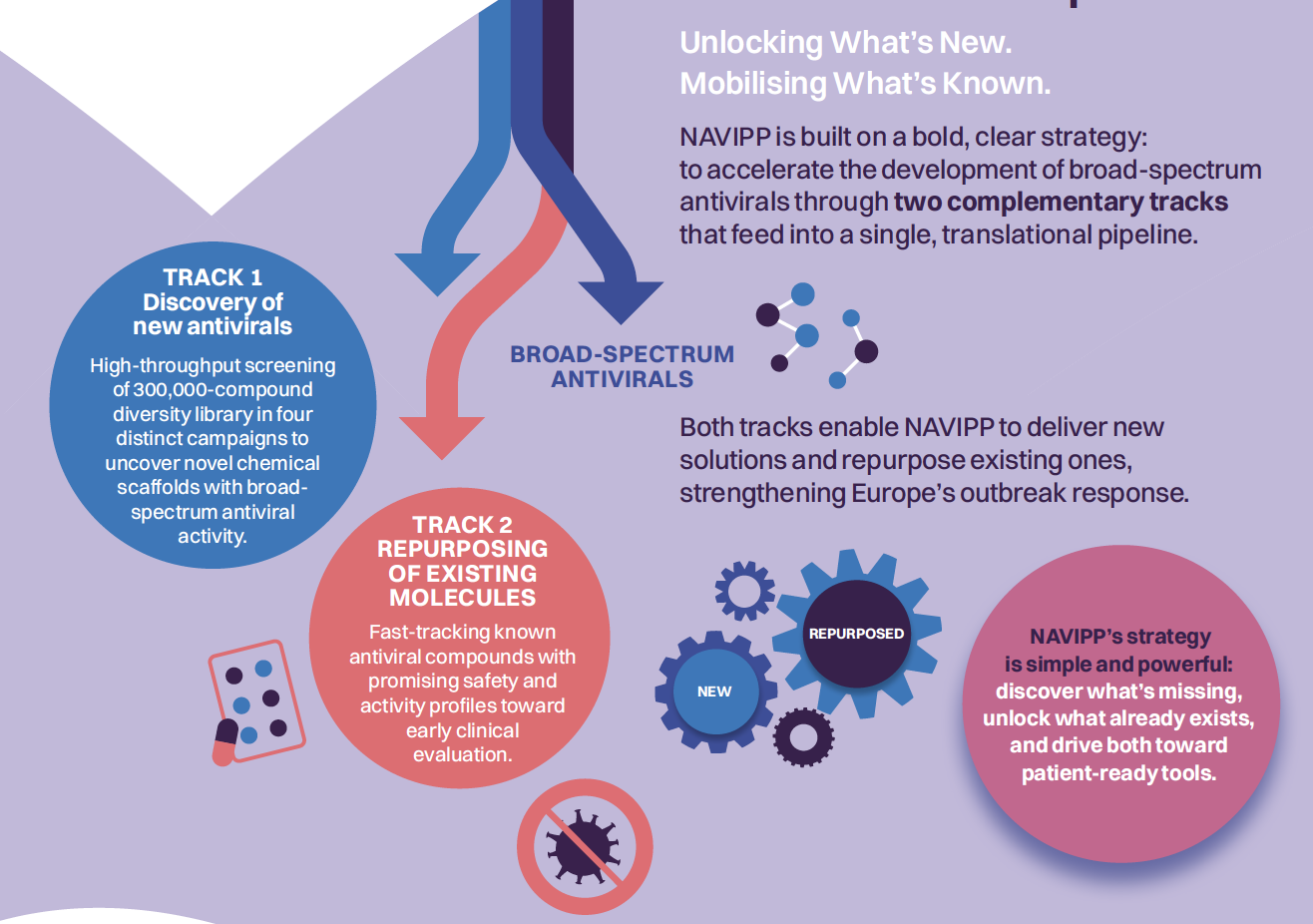
Our new A4 brochure (two-sided) is now available to download! It provides a clear and visual overview of the NAVIPP mission, our dual-track strategy for antiviral discovery and repurposing, and the impact of our consortium on global pandemic preparedness. This concise format is ideal for sharing with partners, stakeholders, and anyone interested in learning more…
-

🧬 A hidden virus revealed
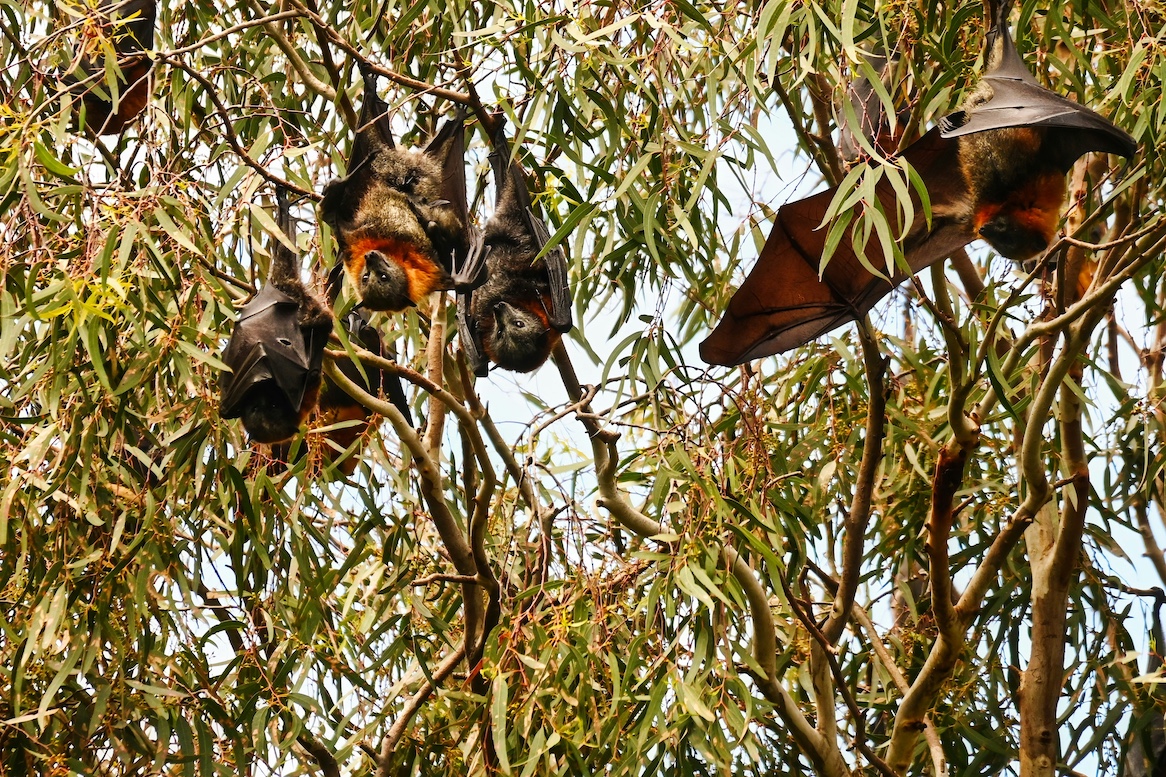
NAVIPP Scientific Watch Serie In the quiet bushland of Queensland, Australia, researchers collected urine samples from flying foxes as part of routine Hendra virus surveillance. What they found was unexpected: a completely new member of the henipavirus family, now named Salt Gully virus (SGV). This discovery, recently published in Emerging Infectious Diseases, highlights how pathogens…
-

🧬 NAVIPP Scientific Watch Introduction
Preparing for the unknown Viruses have shaped human history — and will continue to do so. Some, like influenza or coronaviruses, emerge suddenly and spread fast. Others, such as Nipah or Marburg, lurk quietly in wildlife before spilling over into human populations. Each new outbreak reminds us that preparedness is the strongest defense against pandemic…
-

Download our A0 Poster
For partners: Want to showcase NAVIPP activities? Download our A0 poster! If you’re looking for a clear, visual way to communicate about the NAVIPP project, our A0 poster is the perfect tool. Whether you’re attending a conference, meeting with partners, or simply want to raise awareness, this poster gives a concise and impactful overview of…
-

NAVIPP at the European Congress of Virology 2025
NAVIPP was proud to be represented at the European Congress of Virology 2025, held in the beautiful setting of Cavtat and Dubrovnik, Croatia. Audrey Richard (ERINHA) introduced the project to an audience of leading virology experts, highlighting NAVIPP’s ambition to develop broad-spectrum antivirals as a key pillar of European pandemic preparedness. Through its dual-track approach — combining strategic innovation and practical readiness — NAVIPP is…