
NAVIPP Scientific Watch Serie
Climate change and disease
The climate crisis is not only about rising seas or melting glaciers — it is reshaping the landscape of infectious diseases. As temperatures rise, vectors such as mosquitoes and ticks expand into new regions, carrying pathogens with them. Viruses, bacteria, and even fungi are adapting to warmer conditions, threatening populations that were previously safe.
Examples of shifting risks
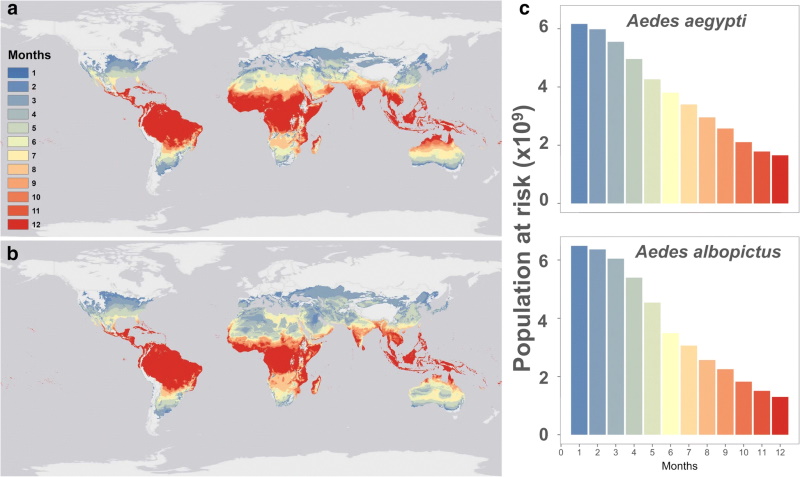
Lyme disease is moving northward in North America. Dengue fever is now appearing in southern Europe. Fungi like Candida auris are evolving heat tolerance and emerging as dangerous pathogens. These shifts are happening now, not in the distant future.
Why this matters for preparedness
Climate-driven disease spread challenges health systems globally. Preparedness requires forward-looking strategies: better surveillance, adaptable vaccines, and above all, antiviral drugs that can be deployed against multiple threats.
How NAVIPP contributes
By developing a pipeline of broad-spectrum antivirals, NAVIPP strengthens Europe’s ability to respond to pathogens whose spread is accelerated by climate change. These antivirals can complement vaccines and diagnostics, ensuring that health systems are ready for shifting patterns of infection.
Conclusion
The climate crisis is also a health crisis. By anticipating its impact on infectious diseases, and investing in countermeasures today, we can reduce tomorrow’s risks. NAVIPP plays a key role in building this resilience.